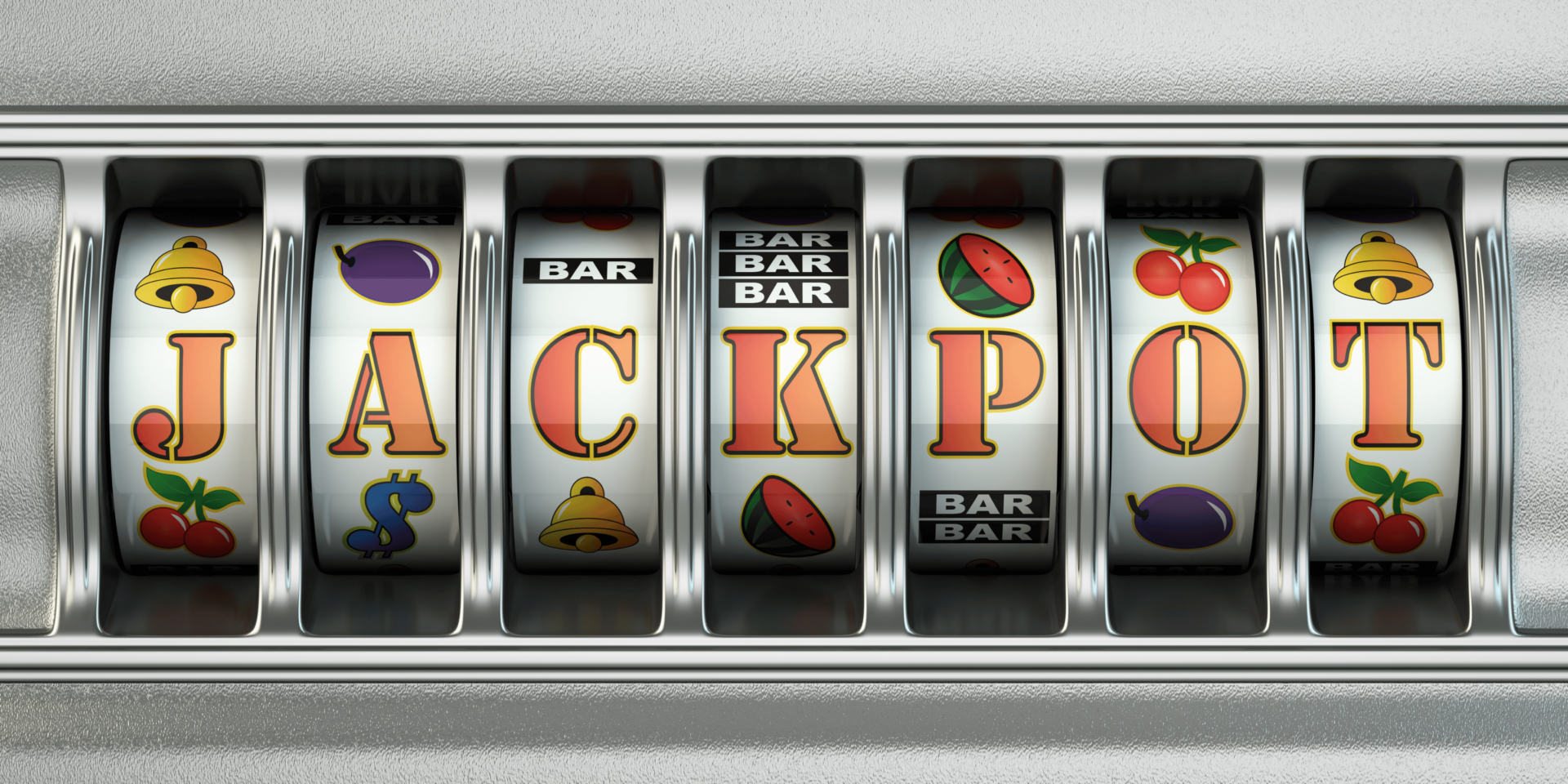
Every spin triggers more than a chance at a prize—it activates a powerful mental loop that keeps players engaged.
The Brain Responds to Uncertainty
Online slot machines tap into the brain’s natural reaction to unpredictable rewards.
Each spin delivers a new outcome that could result in a win, a near-win, or nothing at all. This unpredictability keeps players alert and emotionally invested. The brain reacts strongly to uncertain outcomes because they create excitement and tension.
In a realistic scenario, a player finishes a workday and opens their favorite casino app. After a few spins, they land on a near-jackpot. Their heart rate jumps. They don’t stop because the feeling of almost winning becomes as gripping as an actual payout.
Small Wins Trigger Dopamine Release
Even minor wins activate the brain’s reward system and encourage continued play.
When a player wins—regardless of the amount—the brain releases dopamine, a chemical linked to pleasure and motivation. These positive sensations reinforce behavior, making the player more likely to keep spinning.
Small, frequent wins maintain engagement without draining the casino’s payout structure. For players, the momentary thrill matters more than the prize’s size. The game creates a loop: spin, win, feel good, repeat.
Near-Wins Create Urgency to Keep Playing
Near-misses increase a player’s desire to continue, even after losing.
A near-win occurs when the outcome feels close to success, such as matching two out of three jackpot symbols. Though technically a loss, the brain processes this event differently. It feels like progress rather than failure.
The player, convinced they’re “almost there,” keeps spinning. In practice, this moment turns hesitation into action. They raise their bet or speed up the spin, confident a win is within reach.
Variable Rewards Keep the Brain Guessing
Slot games rely on variable reward schedules to drive longer sessions.
This model means players don’t know when the next win will happen—or how big it will be. The brain stays engaged because it constantly searches for patterns and payoff signals. Without a fixed schedule, the player can’t predict outcomes, which strengthens focus and keeps them spinning.
A player may plan to play for 10 minutes but ends up spinning for over an hour. They feel close to a big reward, even if nothing significant has landed. The variable nature of rewards fuels that decision.
Sound and Animation Reinforce Emotional Response
Visual and audio cues increase emotional investment and prolong gameplay.
When a player wins, flashing lights, upbeat sounds, and rapid animations provide instant feedback. These elements increase dopamine release and create stronger emotional ties to the game. Even when the winnings are low, the celebration feels real.
In a realistic scenario, a player on their tablet wins a modest coin prize. The screen lights up with spinning animations and upbeat music. They smile, tap again, and keep spinning—not because the reward was valuable, but because the experience felt good.
Losses Disguised as Wins Extend Play
Slot games often use sound and visuals to celebrate outcomes that don’t actually profit the player.
In these cases, the game displays a “win” even if the amount is lower than the original bet. This design tactic is called a “loss disguised as a win.” It triggers the brain’s reward system despite the net loss, encouraging the player to keep going.
A player may not realize that, over time, they’re spending more than they’re winning. But the feeling of progress—supported by design—keeps them invested.
Session Goals Create a Sense of Purpose
Online casinos set in-game goals that make each session feel structured.
Tasks like “spin 50 times” or “unlock 5 bonus rounds” give players something to work toward, even if they aren’t winning real money. These milestones provide direction and create a feeling of accomplishment.
A player might return to the same game each night to complete a streak challenge. The pursuit of the goal keeps them engaged, even if individual wins are small or rare. The structure replaces random play with intentional behavior, which increases retention.
Social Features Add External Motivation
Some casino platforms include leaderboards, player feeds, and community events.
When users see others winning or climbing ranks, it introduces social pressure. Players want to keep up or catch up. This creates a secondary motivation: not just to win, but to be seen winning.
In a realistic setting, a player logs in and sees a leaderboard showing high scorers for the day. Their name is near the bottom. They start spinning with the goal of climbing up—not just for a prize, but for recognition.
Instant Gratification Encourages Repeat Play
Quick outcomes make slots ideal for short, frequent gaming sessions.
Each spin resolves in seconds. The brain processes these instant outcomes as quick feedback loops. This speed encourages players to return during breaks, commutes, or idle time.
A player stuck in traffic opens a mobile app and spins a few rounds while waiting. The immediate nature of the game gives them fast stimulation and a sense of control, even if they’re losing.
Escapism Plays a Subtle but Powerful Role
Slots provide an environment that helps players disconnect from stress and routine.
With bright colors, upbeat music, and simple rules, slots offer a mental escape. Players feel like they’re entering a separate world where time and pressure fade. This makes the experience more immersive and harder to step away from.
At the end of a long day, a user grabs their device and starts spinning. The outside world fades for a while. This mental break—powered by game design—feels rewarding in itself, regardless of the outcome.
The Spin Is More Than a Game
The act of spinning isn’t just about chasing a prize. It’s about how digital design, brain chemistry, and emotional cues combine to create a powerful experience.
Online casinos use well-researched psychological techniques to keep users engaged. Every element—sound, speed, randomness, and feedback—is designed to trigger the brain’s reward system and promote longer sessions.
For players, understanding these mechanics reveals why spinning feels so satisfying—and why stepping away can feel harder than expected. The psychology of winning isn’t about luck. It’s about how the mind reacts to possibility, repetition, and the thrill of maybe.